

Hampshire County WV AI Apprenticeship Reaches Midpoint with Four Working AI Agents Built by Local Apprentices
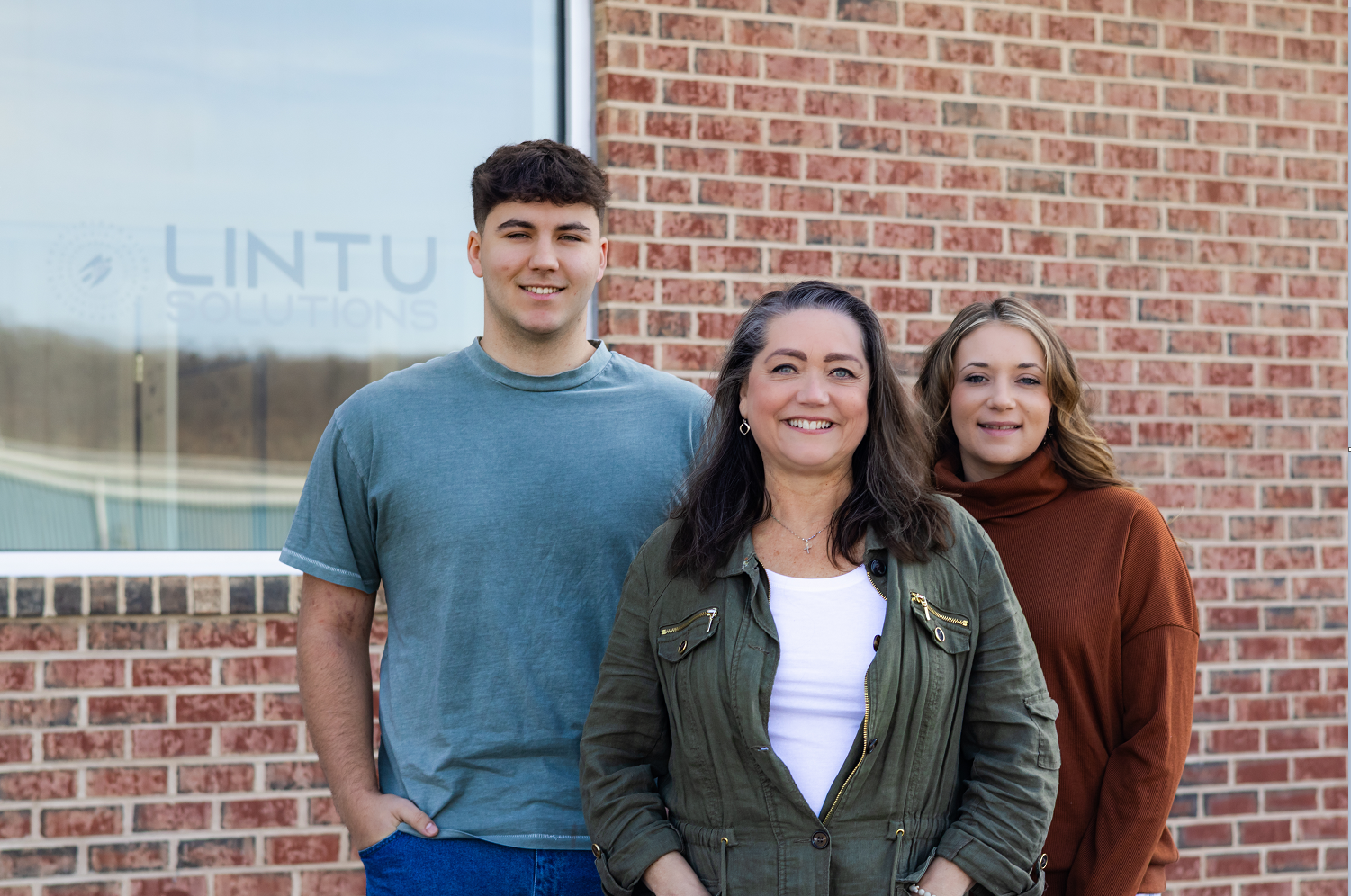
Program Lead and First Apprentices
Rural West Virginia's Hampshire County’s AI Apprenticeship Program successfully develops of four working AI agents designed for real-world public sector use.
Our goal is to make Hampshire County a hub for responsible, human-centered AI implementation, growing expertise locally, mentoring the next generation.”
CAPON BRIDGE WV, WV, UNITED STATES, January 13, 2026 /EINPresswire.com/ -- Hampshire County AI Apprenticeship Reaches Midpoint with Four Working AI Agents Built by Local Apprentices— Lee Ann Wiiki
In a quiet but significant milestone for workforce development and technology innovation in rural West Virginia, Hampshire County’s AI Apprenticeship Program has reached its midpoint with the successful development of four working artificial intelligence agents designed for real-world public sector use.
The apprenticeship, led by Lintu Solutions, pairs local talent with hands-on, production-grade AI development — emphasizing security, governance, and human oversight rather than experimental or theoretical applications. At the halfway mark, two apprentices have already delivered four operational AI agents now being demonstrated to county officials and stakeholders.
“This is not a classroom exercise,” said Lee Ann Wiiki, CEO of Lintu Solutions. “These apprentices are building AI systems that are designed to work in real environments, where accuracy, reliability, and public trust matter. From day one, the focus has been on production discipline and responsible use.”
________________________________________
Four AI Agents Built for County Needs
The four AI agents developed during the first half of the program were each designed to address specific operational challenges faced by county departments and local stakeholders:
• Emergency Services Support Agent
A voice search agent designed to help front like Emergency Services staff quickly locate protocols, procedures, and reference information, reducing time spent searching through manuals during high-pressure situations, allowing hands free search while driving or with gloves on in the midst of treatment.
• Tourism Itinerary & Visitor Support Agent
Built in collaboration with local tourism leadership, this agent generates customized visitor itineraries, helping promote local businesses, attractions, and events while supporting economic development.
• Government Resource Navigation Agent
Developed to help residents more easily identify available services, forms, and resources across county departments, improving accessibility and reducing administrative friction.
• Booking-Bot for Local Small Businesses
Focused on internal efficiency, this agent supports public requests and scheduling, allowing contractor staff and business owners to spend more time on higher-value work. This agent will connect with the tourism itineraries in Phase 2 of the apprenticeship.
Each agent was developed with human-in-the-loop controls, human centered design, clear boundaries, and auditability — key principles emphasized throughout the apprenticeship.
________________________________________
Apprentices Gaining Production-Level Experience
The program’s two apprentices, Desree Guthrie and Jordan Gray, are gaining hands-on experience rarely available in traditional training programs.
Rather than working on isolated practice projects, the apprentices are leading real use cases, learning how to:
• Translate stakeholder needs into technical requirements
• Design AI systems with governance and security in mind
• Test and refine tools in real operational contexts
• Balance automation with human judgment and oversight
“This program has shown me what it really takes to build AI responsibly,” said [Apprentice Name]. “It’s not just about making something work — it’s about making something people can trust.”
________________________________________
County Leadership Sees Long-Term Impact
Local leaders say the apprenticeship demonstrates how rural communities can build advanced technical capability without outsourcing innovation.
“This program shows what’s possible when we invest in our own people,” said Brian Brill, President of the Hampshire County Commission. “Instead of watching innovation happen somewhere else, we’re seeing it happen right here, in ways that directly benefit our county.”
Jon-Todd Hott, Director of Economic Development for Hampshire County, emphasized the broader implications.
“This is exactly the kind of workforce development we want to support,” he said. “It builds skills that are in demand, keeps talent local, and creates solutions that other communities can learn from. Hampshire County is positioning itself as a model for responsible, practical AI adoption.”
________________________________________
Looking Ahead: Scaling the Model
The apprenticeship will continue through March, with plans to expand each agent’s capabilities and develop additional solutions. Lintu Solutions and county partners are also laying the groundwork to scale the model regionally. Under the proposed expansion, current apprentices would serve as mentors to a new cohort of up to eight apprentices, creating a sustainable pipeline for AI talent development in the region.
“Our goal is to make Hampshire County a hub for responsible, human-centered AI implementation,” Wiiki said. “That means growing expertise locally, mentoring the next generation, and showing that advanced technology and rural communities are
Lee Ann Wiiki
Lintu Solutions
+ +1 301-525-8309
email us here
Visit us on social media:
LinkedIn
Legal Disclaimer:
EIN Presswire provides this news content "as is" without warranty of any kind. We do not accept any responsibility or liability for the accuracy, content, images, videos, licenses, completeness, legality, or reliability of the information contained in this article. If you have any complaints or copyright issues related to this article, kindly contact the author above.
