

European BIOservicES survey: farmers call for clearer policies and real support for soil protection
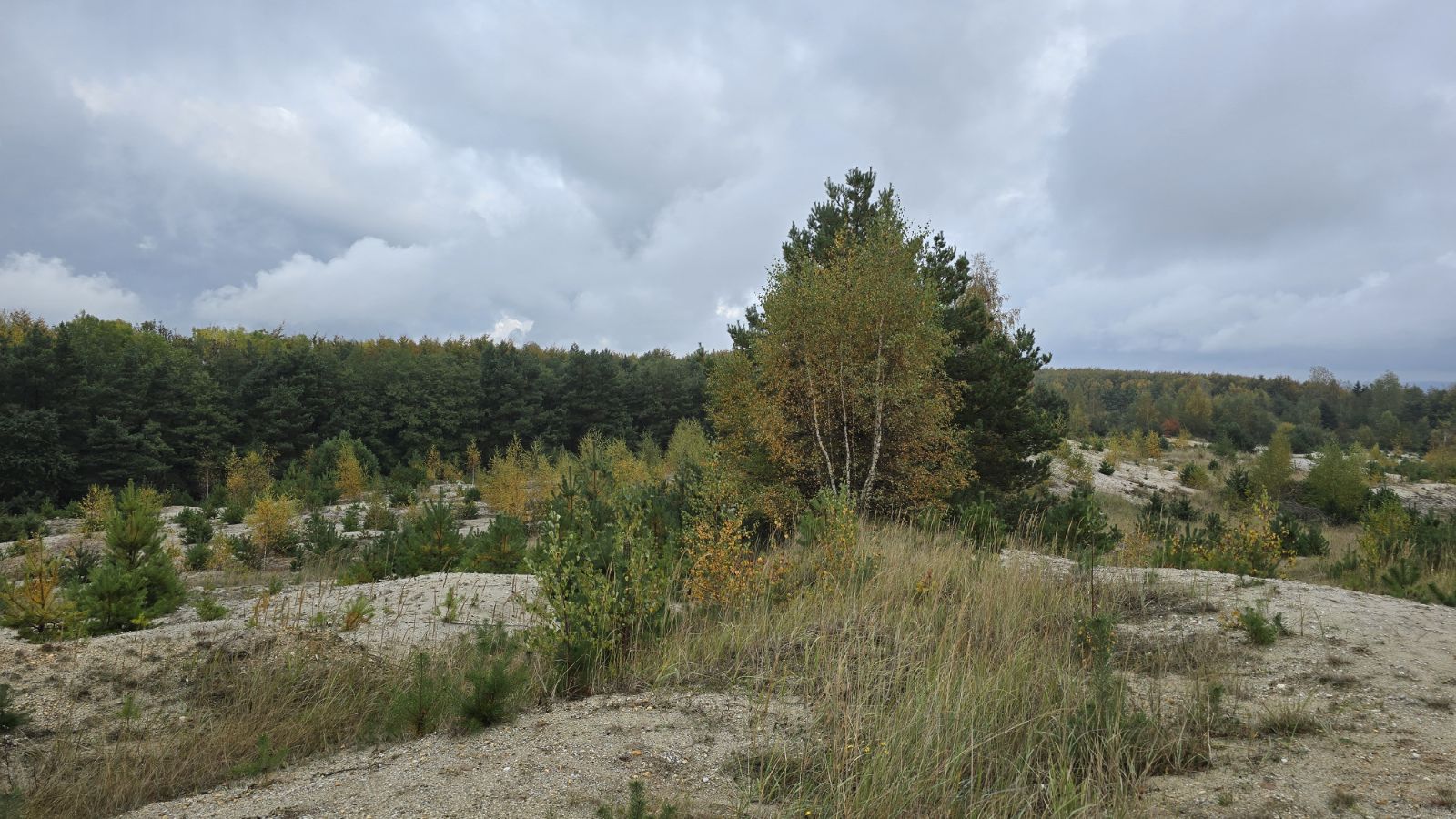
BIOservicES, a project dedicated to soil use and its biodiversity
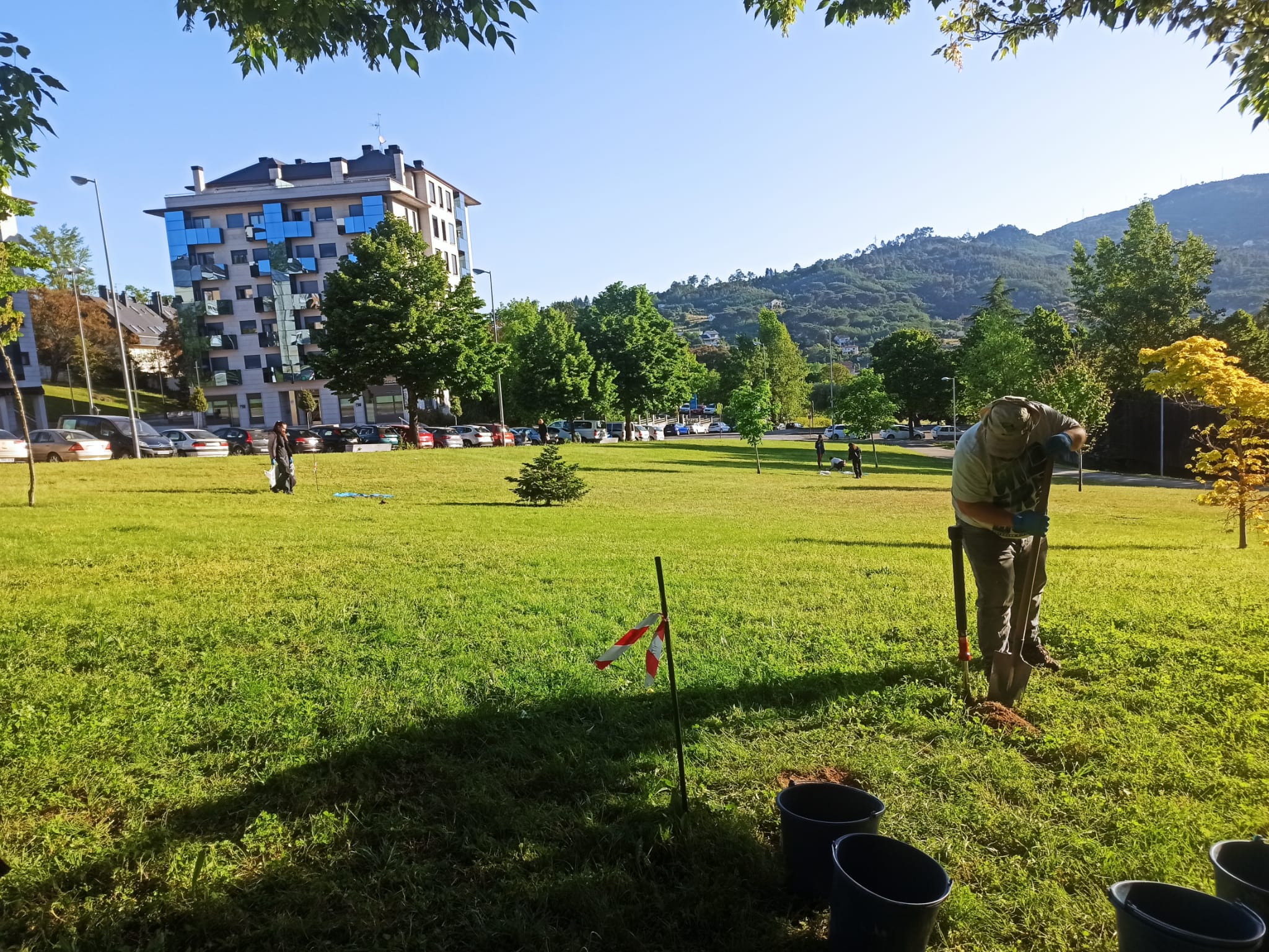
BIOservicES is conducting direct research on urban soils - as part of the 25 experimental sites distributed across Europe
Farmers, researchers, and public institutions indicate growing interest, but also significant challenges in the sustainable management of European soils
“Soils are the foundation of agricultural productivity and ecosystem health. Through this survey, we wanted to understand how their true value is perceived by those who interact with them directly or indirectly,” says Raul Zornoza, coordinator of the BIOservicES project and professor at the Technical University of Cartagena.
Among farmers and foresters, familiarity with soil ecosystem services is high: 79% of respondents know what these services are, and 95% believe they contribute positively or neutrally to the economic value of their activity. However, 71% say that soil degradation significantly affects their productivity, and the same percentage states that ecosystem services directly influence crop yields. Examples provided by participants include difficulties in maintaining soil moisture, loss of aggregate structure, and a decline in microbial biodiversity. Practices such as the use of cover crops are reported by 63% of farmers, crop rotation is applied by 58%, and organic fertilization by 58%. Nevertheless, 47% say they have never received any training or resources to improve soil management. By contrast, 71% express a desire to participate in training programmes focused on soil health, and 68% request technical assistance tailored to their specific needs.
The survey of researchers shows an even higher level of knowledge, with 88% reporting familiarity with soil ecosystem services. Almost all participants, 91%, consider that these services have substantial economic and ecological value. For example, 88% of researchers highlight the vital role of nutrient cycling, and 84% emphasize the importance of soil water regulation. Despite this knowledge, the implementation of sustainable solutions is hindered by several obstacles: 61% mention a lack of funding, 43% point to legislative bottlenecks, and the same percentage believe that low public awareness limits the large-scale application of good practices.
“An important result of the survey is the recognition that solutions exist, but are not implemented on a large scale due to lack of resources and administrative barriers,” says Raul Zornoza. He notes that the tools created through BIOservicES are intended to support the transfer of knowledge into practice, mostly at soil biological indicators, difficult to measure and understand.
Regarding public institutions, the survey shows that 97% of respondents recognize the economic value of soil ecosystem services. However, this recognition is not always reflected in urban planning: 62% state that ecosystem services are not systematically integrated into urban strategies. Authorities focus mainly on waste management, renewable energy development, and energy-efficiency measures, but soil is not yet treated as a central element of sustainable planning. Only 9% consider that CO₂ management and that of other greenhouse gases in the urban environment are carried out effectively, and the involvement of local communities in environmental decisions is perceived as low, with only 15% confirming significant participation.
On December 5th, on the occasion of World Soil Day, we celebrate the vital importance of soil - including urban soil - for the health of cities and communities. This year’s theme, “Healthy Soils for Healthy Cities,” highlights that beneath asphalt, buildings, and streets, soil remains an essential element: filtering water, storing carbon, supporting biodiversity, and regulating the urban microclimate. Findings from the BIOservicES survey show that farmers, foresters, researchers, and public institutions across Europe are calling for the same thing: soil must be protected now. Supporting this vision, BIOservicES is conducting direct research on urban soils - as part of the 25 experimental sites distributed across Europe, including in Atlantic (Spain), Continental (Germany) and Mediterranean (Spain) regions - to provide scientific data, indicators, and decision-making tools that can guide sustainable management policies and practices. Urban soils are not “forgotten land” but natural infrastructure: they must be acknowledged, studied, and protected.
BIOservicES will use the data obtained to develop practical tools for farmers, public institutions, and local communities to support responsible soil management in several pilot areas across Europe, efficiently integrating soil biodiversity into monitoring plans.
“The survey results highlight a clear and immediate need for environmental education programmes, for simple and robust tools to monitor soil, as well as for coherent public policies for soil management. BIOservicES does not aim solely to collect data; the project’s fundamental objective is to identify relationships among soil microbial and animal communities, land-use types, soil management, and the ecosystem services provided at the field and landscape scales. In addition, BIOservicES aims to develop new indicators, digital decision-support tools, and management models that are adaptive and resilient to climate change. The aim is for these tools to be effectively usable in the field, from monitoring and restoration to formulating recommendations for policies and conservation strategies. Thus, the project promotes not only the generation of scientific knowledge, but also its transformation into concrete sustainable management solutions in which soil biodiversity are key factors,” concludes Raul Zornoza.
The study’s results clearly show that, regardless of respondents’ level of expertise or field of activity, soil is perceived as a strategic resource for Europe. However, maintaining its functionality depends on genuine cooperation among farmers, researchers, public authorities, local communities, and all stakeholders. The survey data indicate the beginning of a joint effort in which knowledge, technology, and public policy must be aligned to protect and enhance soil ecosystem services. In this process, BIOservicES assumes a key role, driving dialogue and strengthening links between practice, research, and decision-making.
The BIOservicES survey was carried out between March and May 2025, using three online questionnaires, one for each target group: scientific researchers (in fields such as agriculture, soil biodiversity and sustainability), farmers and foresters (farmers’ associations, authorities responsible for forestry and its exploitation), and public institutions (local authorities, municipalities, authorities responsible for green spaces, parks, urban green areas, bodies of water, and government authorities such as the Ministry of the Environment, the Ministry of Sustainability, the Ministry of Development), on a sample of 116 respondents from countries including Spain, Germany, Latvia and Switzerland.
BIOservicES
BIOservicES
email us here
Legal Disclaimer:
EIN Presswire provides this news content "as is" without warranty of any kind. We do not accept any responsibility or liability for the accuracy, content, images, videos, licenses, completeness, legality, or reliability of the information contained in this article. If you have any complaints or copyright issues related to this article, kindly contact the author above.
